
Mississippi, private property
A Dead Bird in Mississippi: What to Do
Most single dead birds are not an emergency. The Mississippi Board of Animal Health publishes plain advice for handling one, and a reporting route for when several are found together.
What should I do with one dead bird?
The Mississippi Board of Animal Health's bird-flu FAQ says not to touch the bird with bare hands, and to double-bag it and put it in household garbage, or bury it. It says an occasional dead bird is a normal occurrence. Five or more dead wild waterfowl, shorebirds or raptors in one place should be reported to USDA Wildlife Services at 662-325-3014 or through MBAH's online form.
Source: Mississippi Board of Animal Health, checked 2026-10-05.
This page is guidance, not a service. For one dead bird, follow the Board of Animal Health's advice above. For five or more dead wild waterfowl, shorebirds or raptors in one place, report them to USDA Wildlife Services (662-325-3014) or through MBAH's online form. For a bat, see the Department of Health's advice below.
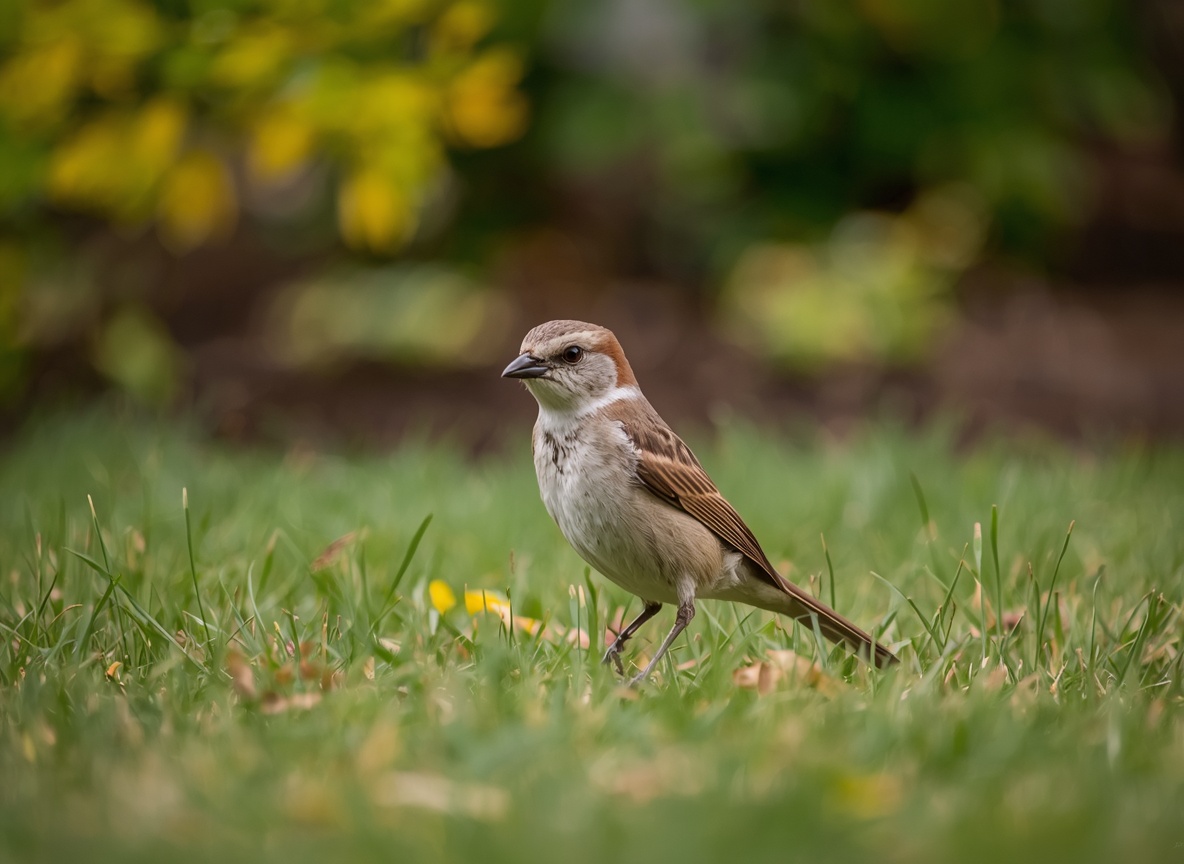
Before you do anything. Count the birds and note the species if you can. One songbird is different from several vultures or ducks in the same spot.
Cases this page is for
- A single dead songbird, dove or similar bird in a yard or on a patio.
- Several dead birds in one place, which may need a report.
- Vultures, hawks, owls and eagles, which are protected under the federal Migratory Bird Treaty Act.
What falls outside it
This site does not arrange collection of dead wild birds. Mississippi law protects nongame birds, and how the state's possession rules apply to collecting a bird that is already dead is not addressed in the sources we reviewed.
Black and turkey vultures are on the federal list of birds protected by the Migratory Bird Treaty Act. Federal rules let any person salvage a migratory bird found dead, with disposal required within 7 calendar days and separate rules for eagles and listed species (50 CFR §21.16).
Bird flu: the Board of Animal Health's latest update, dated February 4, 2026, reported highly pathogenic avian influenza in a commercial poultry flock in Amite County. The State Department of Health reported no human cases in Mississippi as of August 2026.
What to do
- Do not touch the bird with bare hands.
- For one bird, follow the Board of Animal Health's advice: double-bag it for household garbage, or bury it.
- For five or more dead wild waterfowl, shorebirds, eagles or raptors in one place, report them to USDA Wildlife Services (662-325-3014) or through MBAH's online form.
- If a bat, not a bird, is involved and it may have touched a person or a pet, call MSDH at 601-576-7725.
About this animal
Is one dead bird a sign of bird flu?
Not usually. The Mississippi Board of Animal Health says an occasional dead bird is a normal, natural occurrence in wild or domesticated flocks.
When should dead birds be reported?
The Board of Animal Health asks for reports of five or more dead wild waterfowl, shorebirds or raptors in one place, to USDA Wildlife Services at 662-325-3014 or through MBAH's online reporting form.
Has bird flu been found in Mississippi?
The Board of Animal Health's latest update, dated February 4, 2026, reported highly pathogenic avian influenza in a commercial poultry flock in Amite County. The State Department of Health reported no human cases in Mississippi as of August 2026. Check both agencies for anything newer.
Are vultures protected?
Yes. Black and turkey vultures are on the federal list of birds protected by the Migratory Bird Treaty Act.
What about a dead bat?
Bats are not birds. The Mississippi State Department of Health says not to handle live bats or bats that seem to be dead, and that a bat that may have touched a person or a pet should be tested for rabies. Call 601-576-7725.
Where on the property
Whose job is it? Who picks up dead animals · Deer carcass and CWD rules · How to dispose of a dead animal
By area: Jackson · Madison County · DeSoto County · Gulfport and Biloxi · Hattiesburg