
Private property
Animals and situations
By animal
Six animals
Each animal raises its own question in Mississippi. A deer may lie inside one of MDWFP's CWD Management Zones; check MDWFP's map before anyone moves a carcass out of a zone. Raccoons and skunks are among the animals the State Department of Health says not to handle, live or dead. Mississippi law protects nongame birds and most wild birds are federally protected, so the bird page is guidance rather than a service.
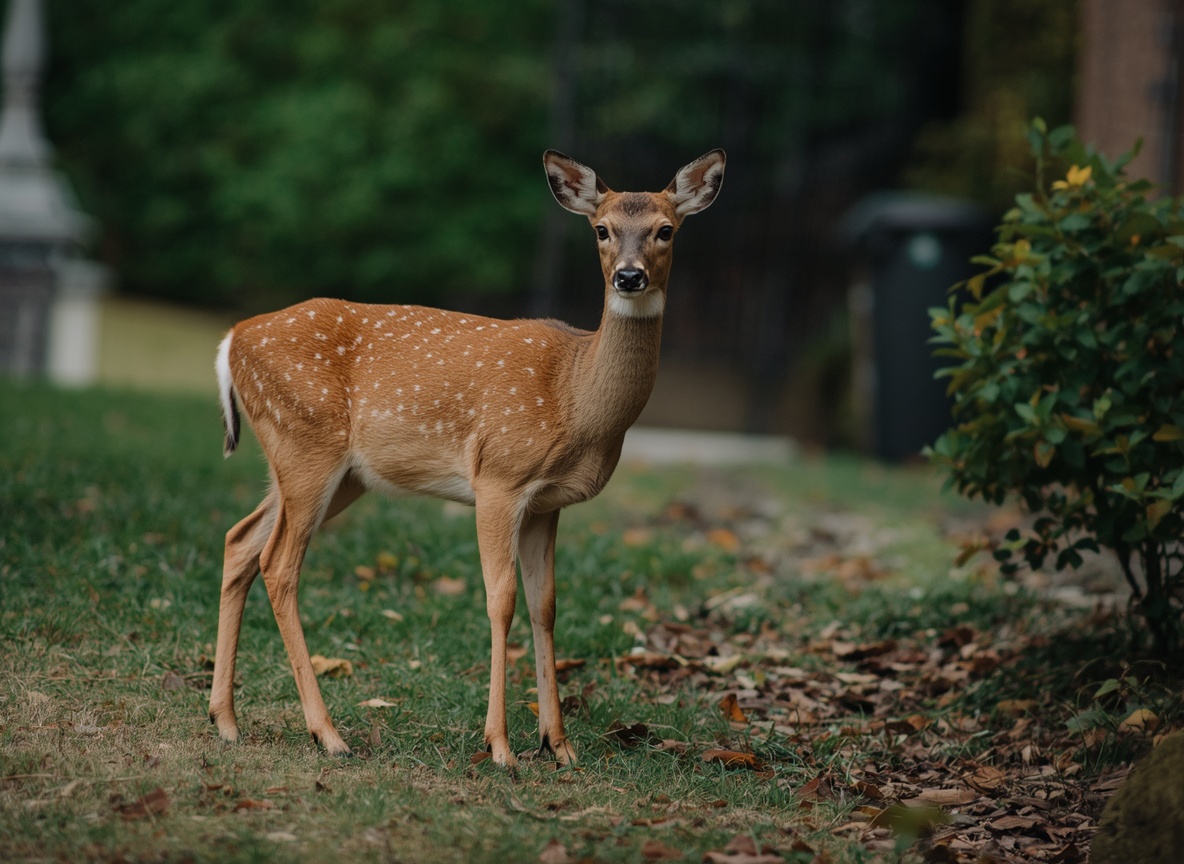
Deer
A deer that died in a yard, a field edge or a ditch on your land. In the CWD zone counties, check MDWFP's map before a carcass leaves the zone.
What this involves →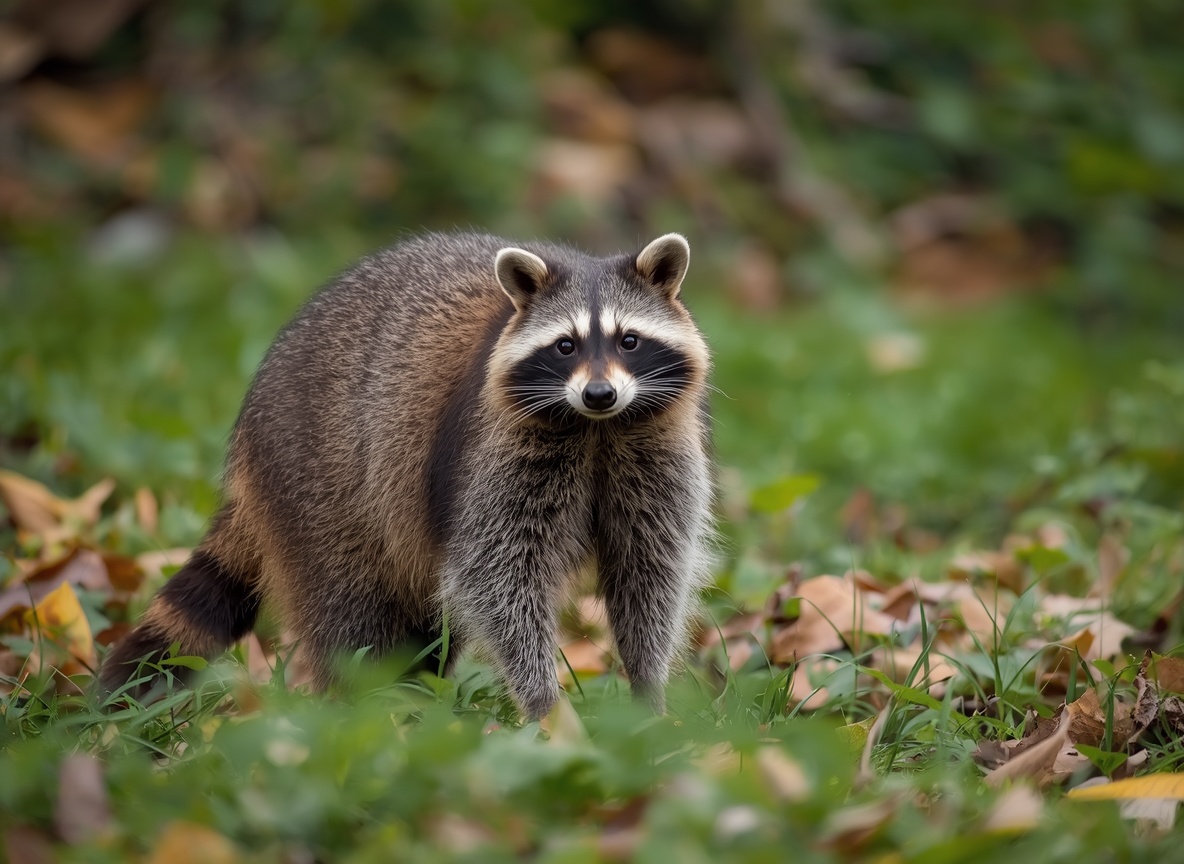
Raccoon
Raccoons often die in crawl spaces, attics and under decks. The State Department of Health says not to handle or touch one, alive or dead.
What this involves →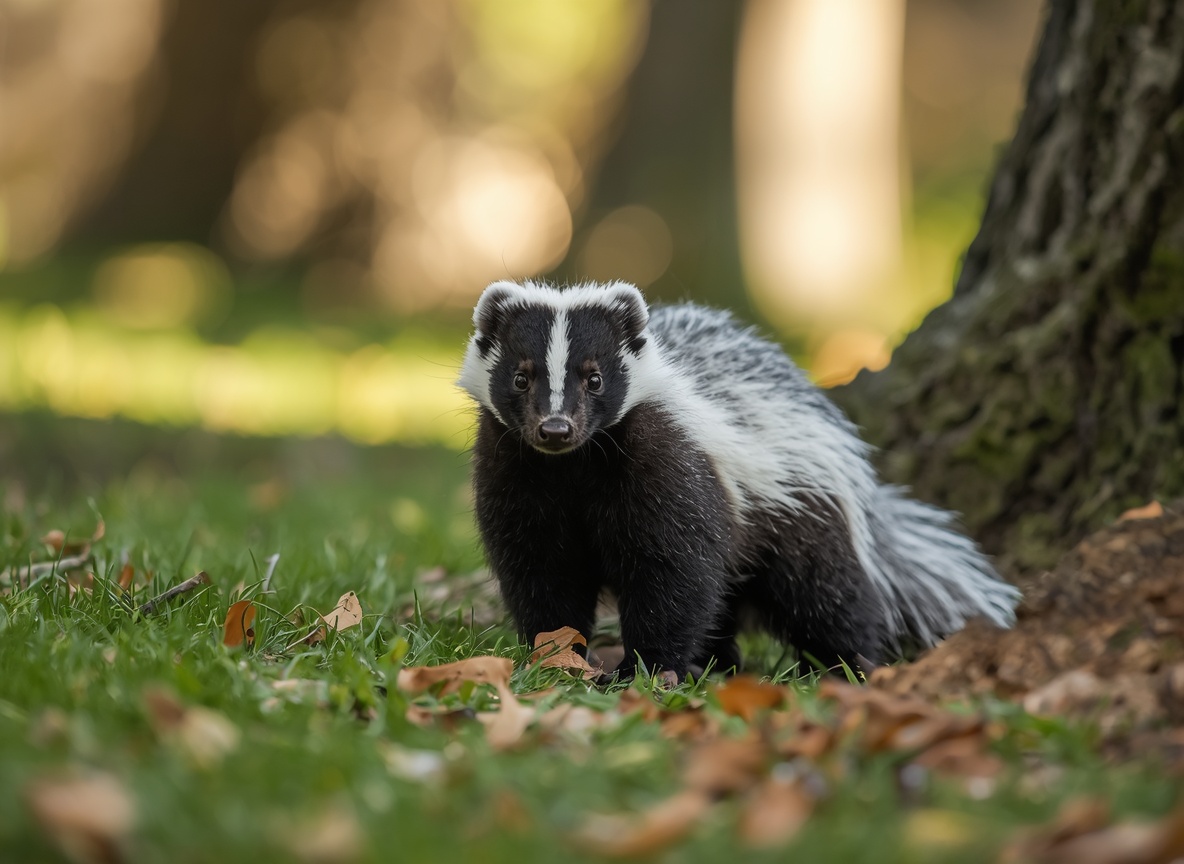
Skunk
A dead skunk brings two problems at once, the carcass and the smell. The Department of Health lists skunks among animals that can carry rabies.
What this involves →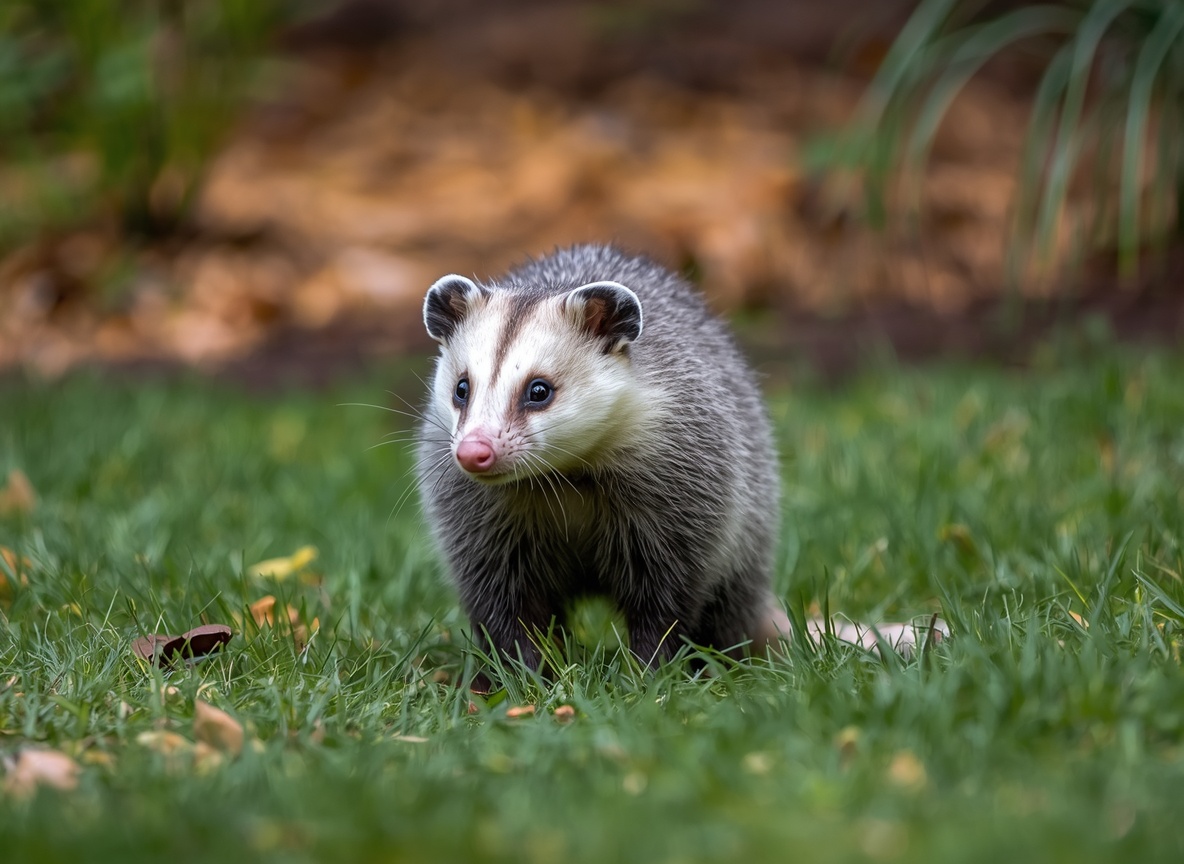
Opossum
Opossums shelter under houses and in attics, and a dead one is usually found by smell. Mississippi classes them as fur-bearing animals.
What this involves →
Squirrel
Squirrels nest in attics and eaves and sometimes die there. Mississippi wildlife law classes them as game animals.
What this involves →
Bird
One dead bird is usually a household matter; several in one place may need reporting. State and federal rules protect most wild birds.
What this involves →By situation
5 places on a property, from open ground to the attic. Every one of them is about an animal that can be reached through an existing opening, without cutting a finished wall, ceiling or floor.
In the yard
An animal in the open, the easiest case to reach. Some city routes for homes may cover it, so check yours first.
What this involves →
Under a house or deck
No city or county page we reviewed mentions collecting from under a structure. If there is an existing way in, a carcass under a house or deck can be removed without cutting.
What this involves →In a crawl space
A crawl space is often the hiding place, and the access door is usually the way in. Removal through this site goes through an existing opening; nothing is cut.
What this involves →In the attic
An animal on the attic floor can usually be reached from the hatch. One inside a ceiling or wall cavity is a different matter.
What this involves →Odor, no animal in sight
The smell is there but the animal is not. Where the odor is strongest usually decides whether anything can be done.
What this involves →Every animal and situation picture is a stock or AI-generated illustration, not a photograph of work by this site or by any operator.
Two ways in. The animal pages set out what the species changes in Mississippi: the CWD zones for deer, the Department of Health's rabies advice, the bird rules. The situation pages start from where the animal is lying, because that decides whether anyone can reach it without cutting. Live animals are outside this site: MDWFP issues a Nuisance Wildlife Control Operator permit for removing live wildlife, and this site does not route live-animal work.